by Nicholas Mitsakos | Book Chapter, China, Globalization, Innovation, Taiwan, Technology, Writing and Podcasts
The sustainability of advanced technologies, unique manufacturing capabilities, global access, and robust supply chains is currently dependent on ill-defined, reckless, and volatile political and economic strategies. Ignoring the reality of the situation and hoping things will eventually work out isn’t a good plan. For decades, the world has relied on Taiwan Semiconductor (TSMC) to produce the most advanced chips, powering everything from smartphones to artificial intelligence. This dependence has created an unprecedented vulnerability: a single geopolitical flashpoint controls the lifeblood of the global digital economy. The challenges of advanced semiconductor technologies and manufacturing are among the most pressing and significant issues of this generation. The U.S. must acknowledge that a world dominated by a single supplier is unsustainable. It must invest not only in fabs but also in intellectual capital, allied coordination, and long-term technological leaps. There is no guarantee of success. The rivalry with China will intensify, and Taiwan will remain a flashpoint. But inaction is the greater risk. Hope may provide comfort, but only strategy, investment, and execution will ensure resilience. Hope is not a plan.
by Nicholas Mitsakos | Book Chapter, China, Globalization, Public Policy, Taiwan, Technology, Trade, uncertainty, Writing and Podcasts
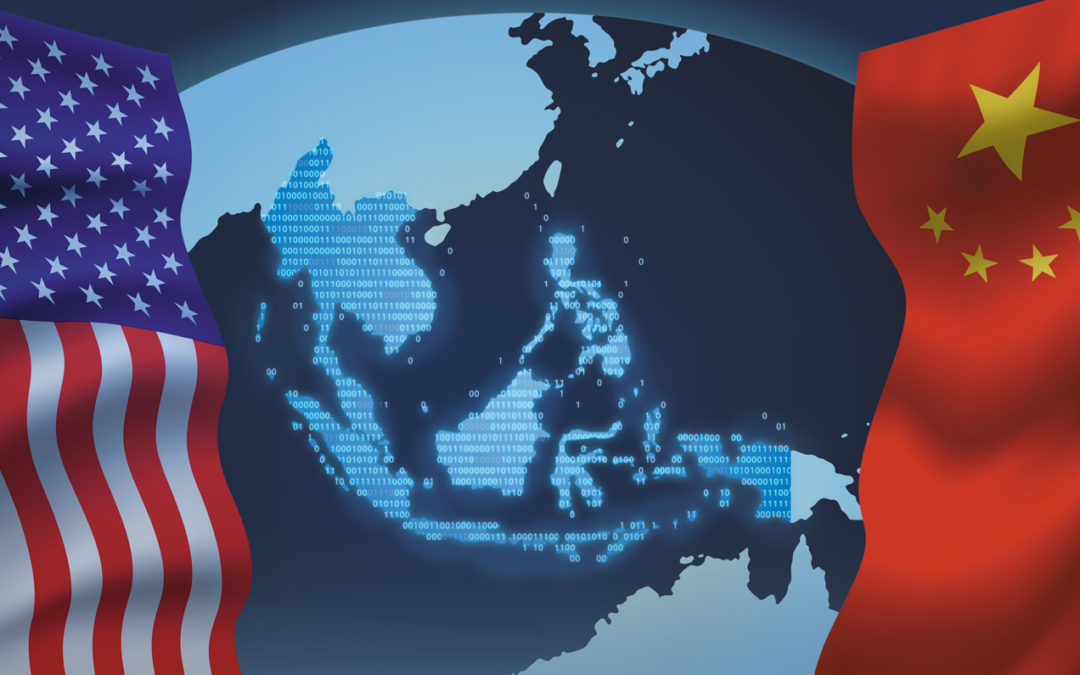
The global investment landscape has reached a structural inflection point. Geopolitical realignments, industrial policy, and national security concerns are reshaping the era of frictionless globalization. At the center of this transformation is the intensifying strategic competition between the United States and China. The US is acting belligerently toward China in trade negotiations, threatening exorbitant tariff rates and trying to build walls around China’s international trade activity. All this may be a high-volume attempt to bring China to the table to strike a better trade arrangement. While this tactic is unprecedented, we may only be in the third inning of a nine-inning game. The current geopolitical and economic transition is both a challenge and a multi-decade opportunity. Capital will increasingly flow to regions that demonstrate policy consistency, innovation capacity, and demographic vibrancy. Strategic sectors such as AI, defense, semiconductors, energy, digital infrastructure, and cybersecurity will drive private and public investment. Embracing this new reality of regional diversification, thematic depth, and geopolitical foresight will position participants to thrive. As multipolarity replaces global uniformity, success lies with active, strategic alignment with the forces shaping the next economic era.

by Nicholas Mitsakos | Artificial Intelligence, Book Chapter, China, Economy, Globalization, Public Policy, Science, Taiwan, Technology, Transformative businesses, Writing and Podcasts
The convergence of volatile geopolitics fragmented and unpredictable markets, disruptive technologies, and unique opportunities. Understanding geopolitical issues, developing innovative and insightful investment strategies, and navigating political and economic volatility are now essential to achieving investment success.
by Nicholas Mitsakos | Book Chapter, China, Economy, Globalization, irrationality, Public Policy, Taiwan, Trade, uncertainty, Writing and Podcasts
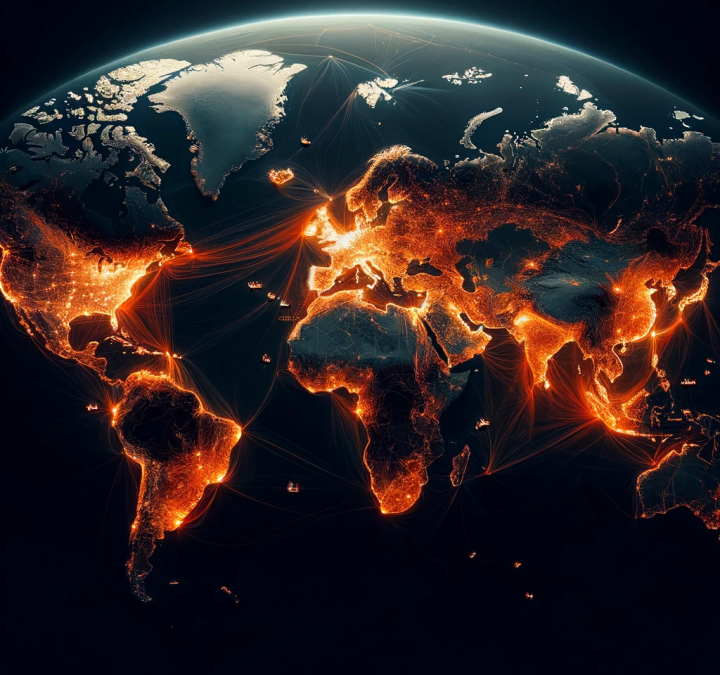
A turbulent geopolitical and economic environment is here to stay. Allocating capital in today’s economic and geopolitical landscape requires a sharp focus on macro trends, a disciplined approach to risk, and an ability to anticipate shifts in policy and global power dynamics. The investment landscape has never been more complex, with heightened tensions between the U.S. and China, uncertainty surrounding Taiwan, and Europe’s economic fragility. The new reality is that trade realignments, subsidized industrial policies, and emerging trading blocs characterized by protectionism and localization are rising. Now What?Geopolitical risk is no longer an afterthought. The US-China rivalry, Taiwan’s strategic importance, Europe’s economic fragility, and shifting trade policies will shape the next decade of global markets. Savvy investors will anticipate these changes and allocate capital to industries and regions positioned for sustained growth. The key to success is flexibility, resilience, and the ability to recognize macro trends before they materialize fully. The future is uncertain but full of opportunities.