by Nicholas Mitsakos | Currency, Investments, Writing and Podcasts
“I believe that the present, accurately seized, foretells the future.” V.S. Naipaul
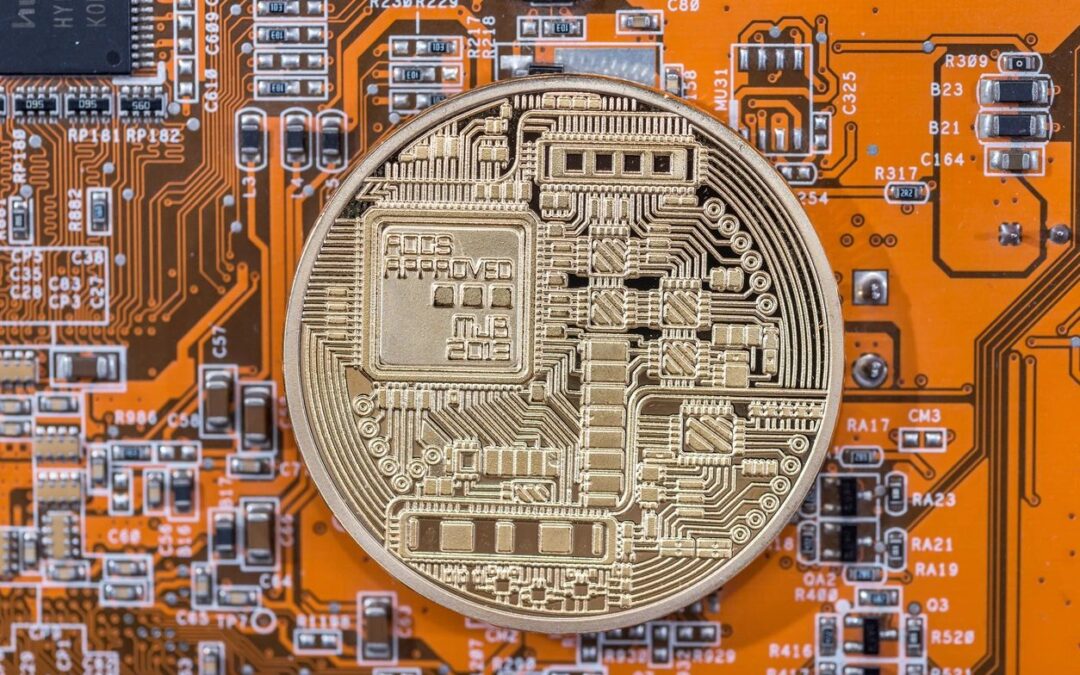
There is a lot of uncertainty today in the markets, but there has always been uncertainty in the markets. We have never had certainty regarding the economy or the future. The most reasonable exercise, as V.S. Naipaul reminds us, is simply to understand the present. So what’s going on? The economy is accelerating. Inflation isn’t a problem. The Fed is going to keep interest rates as close to zero as possible for the foreseeable. These components are driving valuations higher, and in some cases, approaching stratospheric levels. Some concern is warranted in certain sectors, but overall, things seem to be relatively steady and not too overblown. Earnings appear likely to grow, and in many cases, quite rapidly, for the next couple of years – assuming something unforeseeable does not occur (but this probability is not zero). Bitcoin has a few interesting characteristics worth understanding. It is a decentralized, permissionless, peer-to-peer network of computers that’s permanent and unhackable . An investment in Bitcoin is, in reality, a part of the peer-to-peer computer network (essentially, a slot on the database), and almost all of those slots have been allocated. Only 21 million Bitcoins will be produced and 18.5 million have already been mined and circulated. Price is a function of supply and demand (see Economics 101). Arguments about “inherent value” are, and always will be, meaningless. Is there really some kind of “inherent value” in gold? We just decided it was valuable to us. The same is happening with Bitcoin. Bitcoin supply grew 2.5% in 2020; it will grow 2.0% in 2021.The question for Bitcoin valuation is simple: Is demand growing faster or slower than 2.0% annually?
by Nicholas Mitsakos | Book Chapter, Currency, Investments, Writing and Podcasts
Coinbase, Bitcoin, Ethereum, and Dogecoin
Everything you don’t understand about money combined with everything you don’t understand about computers.
Bitcoin and other digital currencies are going mainstream, and along with that, increased volatility. Last week, cryptocurrencies jumped in value as Coinbase, a cryptocurrency exchange, became a publicly traded company worth approximately $100 billion. In other words, trading in digital currencies, with all the expected volatility and unpredictable nature such securities bring, is here to stay.

by Nicholas Mitsakos | Currency, Investment Principles, Writing and Podcasts
Is It Really Different This Time? Well, sort of – and that makes all the difference. Interest rates are at zero, and worldwide markets assume that will change little for some time to come. Global coordinated monetary and fiscal policy are spiraling interest rates to this flattened level with little prospect of upward movement. The combination of monetary, fiscal, and interest-rate policy coordinated in this manner is unprecedented and is being pushed to its limits. A subliminal fear may be permeating the markets, generating extreme movements, causing both substantial profits and losses from massive capital flows magnifying price movements within compressed time frames. How do we explain this, and more importantly, how do we predict and profit from it? Bitcoin Explains Everything – Read That Twice If You Need To
by Nicholas Mitsakos | Currency, Economy, Investment Principles, Investments, Public Policy, Trade, Writing and Podcasts
We are rapidly approaching a zero-interest rate world. Interest rates are being driven to zero (or below zero in many cases) as a first-line tool for central banks to generate economic activity in the face of the dramatic negative impact of the pandemic, as well as existing and lingering economic fallout. This toolbox will be empty soon, and the only remaining weapon will be fiscal policy. Among other things, fiscal policy and domestic financial markets will have an overwhelming influence on global currencies. Capital flows will dramatically impact currency volatility as capital moves to more attractive countries with more liquid and robust asset markets.